
Why Sponsoring a Local Youth Team Is Cheaper and More Effective Than Running Ads
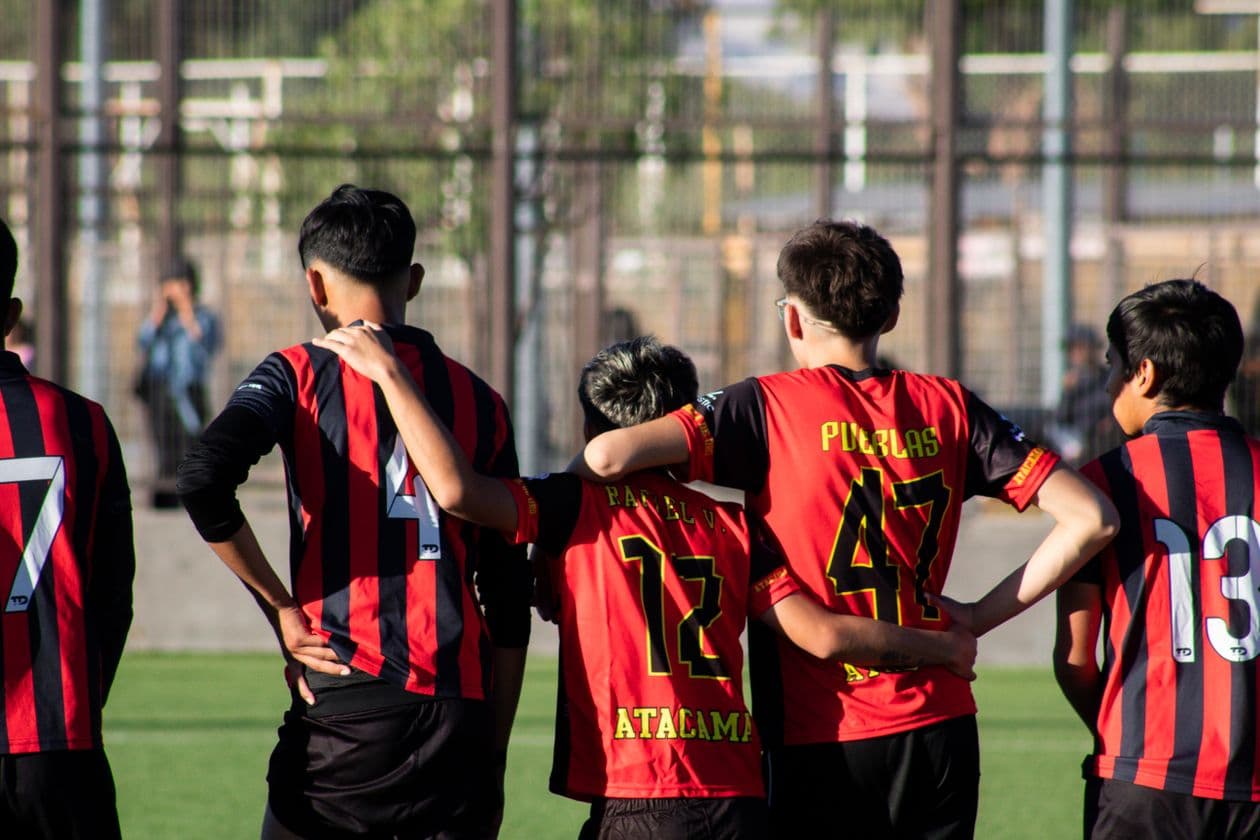
Facility owners ask about running paid ads constantly. Run them long enough and the conversation always comes to the same wall: cost per click goes up, audiences get fatigued, and the moment you stop spending the visibility disappears. There is a different option sitting right outside your building that most facilities completely overlook — sponsoring a local youth team.
It is not a replacement for every tool in your marketing stack. But for building real, lasting name recognition in your local area, it performs better than Meta ads at a fraction of the cost — and the results compound in ways that ad spend cannot.
A Name on a Jersey Is Trusted Differently Than an Ad
An ad is a brand paying to be seen. A jersey is a community endorsing that brand. Parents who watch their child wear your name every weekend do not process it the way they process a sponsored post. It is woven into a memory — a win, a muddy field, a car ride home.
That difference matters for indoor sports facilities specifically. Your customers are primarily local, repeat, and social. They talk to other parents, coaches, and league coordinators. Trust in that circle is earned, not bought — but a sponsorship puts you inside the circle in a way an ad impression never can.
You are not interrupting them. You are already there.
The Actual Cost Comparison
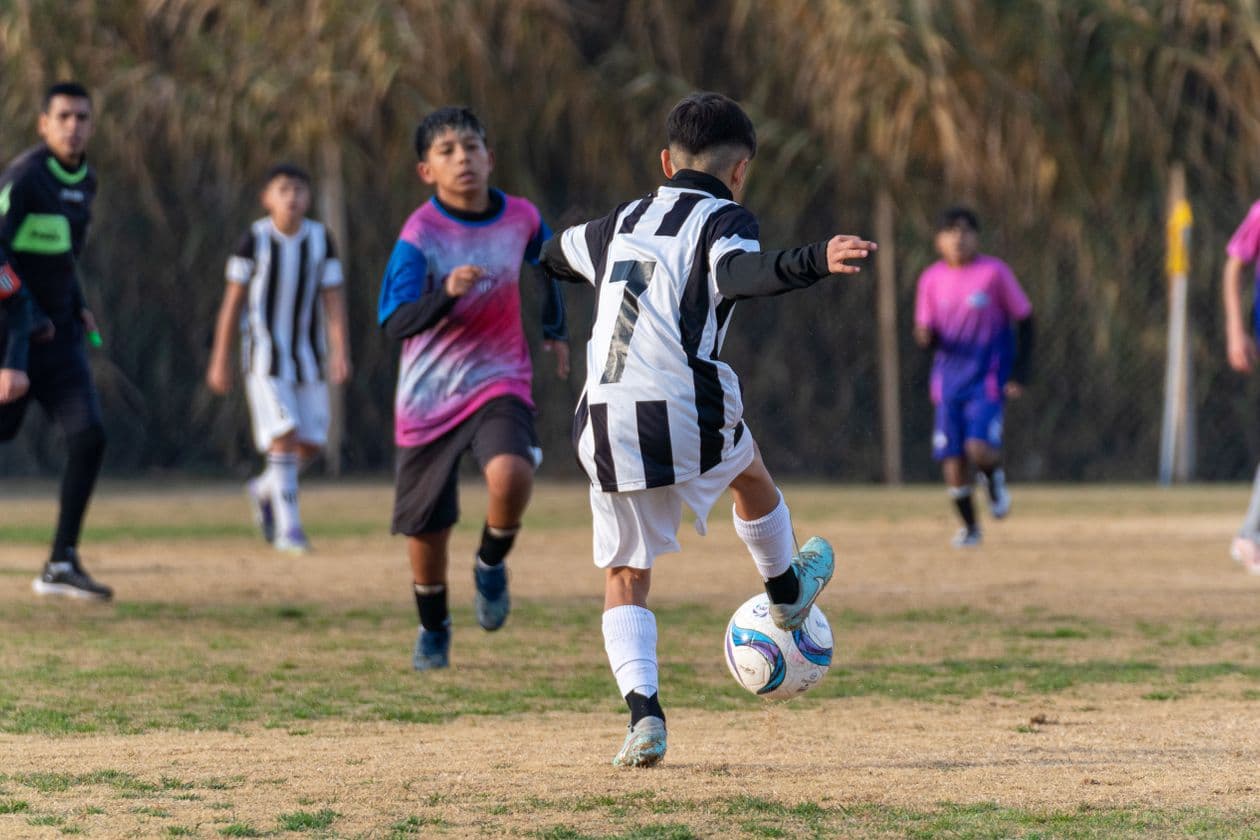
A typical youth team sponsorship in the US costs between $500 and $2,000 per season depending on the league, the age group, and what the package includes. Some local clubs will put your logo on jerseys, a banner at the field, and a shout-out at end-of-season events — all for under $1,000.
Compare that to paid social. Average cost per click on Meta for local service businesses runs $1.50 to $3.00. A $500 campaign buys you around 200 clicks — each one going to someone who has never heard of you, in a cold window, with no social proof attached. Some will convert. Most will not.
The sponsorship buys you a full season of warm impressions across a tight-knit community. The parents in the stands see your name 15 to 20 times before they ever step foot in your facility. When they are finally ready to book a birthday party or sign up for a league, you are not an unfamiliar brand — you are already the one they recognize.
- Season-long visibility vs. a campaign that stops the moment budget runs out
- Warm, repeated exposure in a trusted setting vs. cold interruption in a feed
- Community goodwill that generates referrals vs. a click that generates nothing if it does not convert immediately
Every Game Is a Free Word-of-Mouth Moment
Each match, tournament, and practice is a micro-event attended by the exact people you want to reach. Coaches talk. Parents talk. Opposing team parents ask whose gear looks good and who sponsors the well-organized club. League coordinators notice which local businesses show up and which ones do not.
None of this happens in a paid media dashboard. It happens on sidelines and in parking lots. And it is impossible to buy directly — you can only earn your way in, and a sponsorship is the fastest legitimate way to do it.
Indoor facilities have a particularly strong reason to target outdoor youth leagues. Those players need somewhere to train when it rains, when it gets cold, and when their outdoor season ends. You are not just advertising a birthday party venue. You are planting a flag with the exact community that will need you most in the off-season.
The Sponsorship Becomes Content
This is where the investment starts to compound. A youth team sponsorship gives you a content angle that no amount of ad budget can manufacture: authentic community involvement.
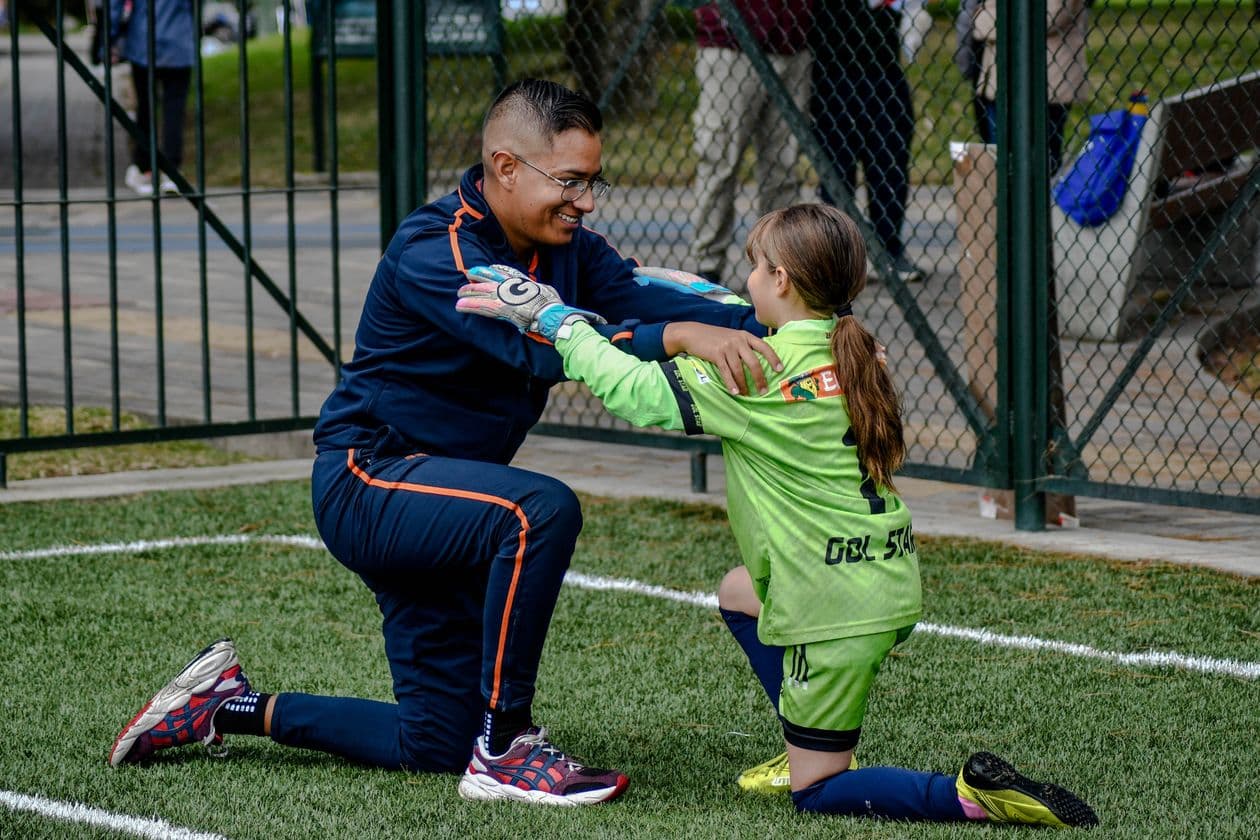
Shoot a photo of the team in their jerseys and post it. Share the match results when they win. Post a story wishing them luck before a tournament. Feature the coach in a short interview about the season. Bring the team in for a training day at your facility and document the whole thing.
Every one of those posts does something a standard facility post cannot — it signals that you are part of the community, not just a business operating inside it. And the team's own parents, coaches, and supporters share that content because their kids are in it. Your reach expands into networks you would never touch with a targeted ad.
- Team jersey reveal post
- Season opener shoutout with photo from the first match
- Mid-season check-in featuring a player or coach quote
- End-of-season recap with team photo at your facility
- Tournament run content — update posts if they make a deep run
That is five to six posts with natural storytelling built in, all from one sponsorship deal. Compare that to the work required to produce five promotional posts from scratch.
Choosing the Right Team to Sponsor
Not every team is an equally good fit. Before committing to a sponsorship, think through a few filters.
Sport alignment. If you run an indoor soccer facility, sponsor an outdoor soccer team — ideally one in an age group that matches your prime booking demographic. Trampoline park? Youth gymnastics or cheerleading clubs are natural fits. Climbing gym? Junior climbing teams or outdoor adventure groups. The more closely the sport aligns, the more likely the parents are already thinking about your type of facility.
Engagement over size. A tight-knit team with 20 active families is worth more than a loosely organized team with 50. You want a community that actually talks to each other, where a recommendation spreads, not a roster with weak social ties.
Geographic overlap. Sponsor a team that plays and practices close to your facility. Parents who already drive past you to get to practice are one easy booking from becoming customers. Distance is friction — remove it.
Content permission. Before signing anything, confirm that you can take photos at matches and post them. Most clubs are happy to say yes. Get it in writing so there are no misunderstandings mid-season when you want to post a jersey photo.
Turn the Logo Into a Relationship
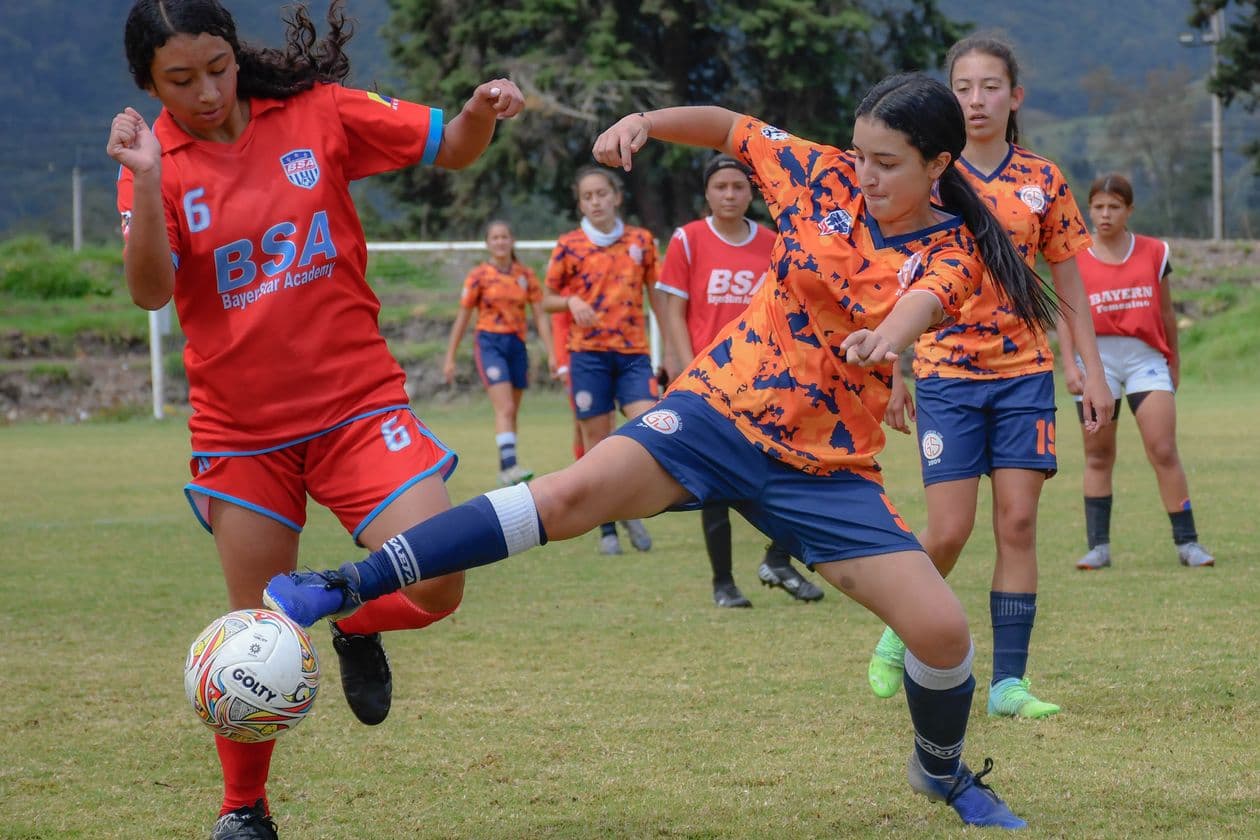
A logo on a jersey is the floor, not the ceiling. The facilities that get the most out of a sponsorship treat it as an ongoing relationship rather than a one-time placement.
Offer the team a discounted block booking at your facility for a training day or an end-of-season celebration. Show up to a match — not to hand out flyers, just to be there. Let the coaching staff know that if they ever need an indoor space on short notice, you are the first call. Build it like a partnership, and the referrals will come without you having to ask for them directly.
At the end of the season, send a short note asking if the relationship worked for them — and whether they know of any other teams looking for a sponsor next season. One good relationship tends to open three more.
Paid ads are a tool. A local reputation is an asset. Sponsoring a youth team is one of the most straightforward ways to start building one — and for most facilities, it is sitting right in front of them.
Want us to look at your facility's social media?
Get a free, honest review of what's working and what's not, no call required.
Get Your Free Audit