
Youth Sports Are a $40 Billion Industry in America, But Most Local Academies Still Market Like It's 2010
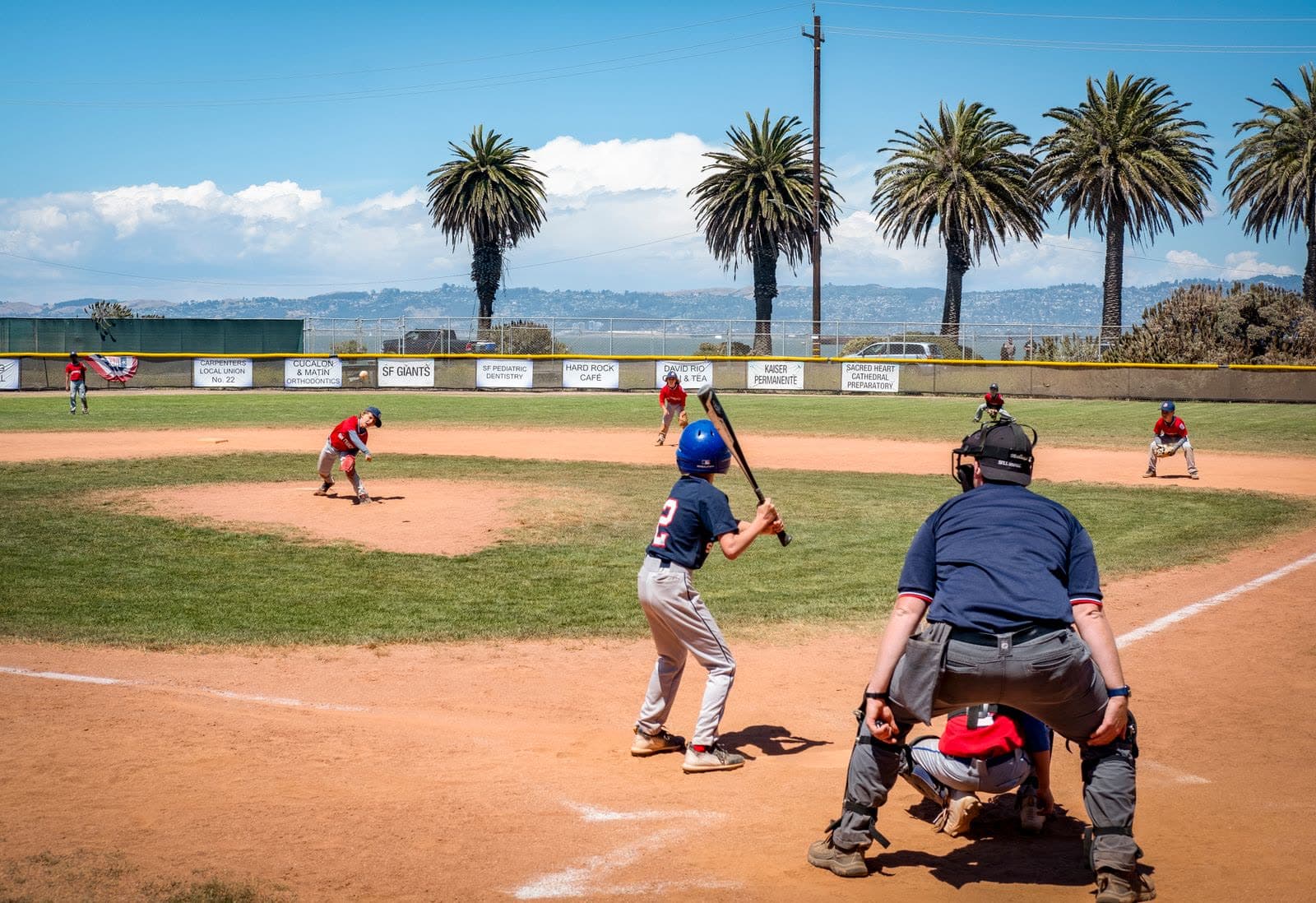
The U.S. youth sports industry now generates more than $40 billion a year, according to a December 2025 congressional hearing on youth sports held by the House Education and Workforce Subcommittee. The average American sports family spent over $1,000 on their child's primary sport in 2024, a 46 percent increase since 2019, the same hearing noted.
That's a massive, fast-growing market. And most local academies are still marketing the way they did over a decade ago: a Facebook page, a flyer at the front desk, word of mouth, and little else. The academies that modernize now are about to capture a disproportionate share of that spending. The ones still stuck in 2010 habits are about to find out what invisible actually costs.
None of this requires a rebrand or a production budget most independent academies don't have. It requires treating marketing as seriously as the money already moving through the category.
1. Word of Mouth and a Facebook Page No Longer Work
Parents research and compare academies online before they ever pick up the phone. If an academy's entire online presence is an outdated Facebook page and a phone number, that academy simply doesn't exist for a parent doing that comparison, no matter how good the coaching actually is.
Why it works: Being discoverable and credible online is now the minimum bar for youth sports academy marketing, not a nice to have. Word of mouth still matters, but it starts the research, it doesn't finish it, a parent still checks the account before booking a trial. An academy that skips that step assumes reputation alone survives a generation of parents who research everything by default.
How to execute it:
- Treat Instagram and a real website as the front door, not an afterthought behind word of mouth.
- Keep basic information current: schedules, pricing, contact details, so research doesn't stall at the first outdated post.
- Post consistently enough that a parent scrolling back sees an active, real program, not a page abandoned since last season.
2. Well-Funded Competitors Are Already Raising the Bar
Private equity and larger, well-capitalized operators have moved into youth sports, and they market like it: professional video, consistent branding, real ad spend. Independent academies competing against a flyer are now competing against a media operation.
Why it works: Once one well-funded competitor raises the local bar, every parent's baseline expectation moves with it. This is exactly why youth sports facility social media can't stay stuck at 2010 standards, the competitive set itself has changed even if the coaching quality hasn't. A parent comparing two options rarely has a way to judge coaching quality directly, so presentation ends up doing more of that work than owners would like to admit.
How to execute it:
- Audit what the best-funded competitor nearby is actually posting, and close the visible gap first.
- Compete on genuine coaching credibility and results, not production budget, but present that credibility professionally.
- Don't wait for a competitor to open next door, the bar is already rising in youth sports marketing USA broadly, not just in markets with a new academy.
3. Invisible Marketing Has a Real, Measurable Cost
Family spending on youth sports is up 46 percent since 2019, according to the same December 2025 hearing. That increase is going somewhere. If an academy isn't visible when a family starts researching, it's going to whichever competitor showed up first online, not necessarily whichever one is actually better.
Why it works: This reframes marketing from a cost center to a direct revenue question. Every family that finds a competitor first because that competitor simply had a stronger online presence is real, quantifiable revenue an academy never even knew it lost. Unlike a bad review or a public complaint, this kind of loss never shows up anywhere, the family just quietly enrolls somewhere else.
How to execute it:
- Search the academy's own programs the way a new parent would, and see who actually shows up first.
- Treat consistent posting as protecting revenue already being spent in the category, not chasing new spending.
- Track trial bookings against posting activity over a few months, the correlation is usually more direct than owners expect.
4. Use Content to Justify Premium Pricing
Coaching quality, athlete development and real results are hard to compete on price alone against a discount competitor, and shouldn't have to. Content that actually shows the coaching and the development is what lets an academy charge for value instead of racing to the bottom on cost.
Why it works: Parents willing to spend over $1,000 a year, per the December 2025 hearing figures, aren't only shopping on price, they're shopping on outcomes. This is core sports academy advertising strategy: show the development, not just the schedule, and pricing becomes a smaller objection. A program that only shows the schedule invites a price comparison, a program that shows development invites a value comparison instead.
How to execute it:
- Document visible athlete progress over weeks or months, the same player's skill a season apart is a strong, honest sell.
- Show the actual coaching methodology, drills, technique corrections, not just game highlights.
- Let real outcomes, college placements, tryout success, personal bests, speak for the price instead of a discount.
5. Build Parent Trust With Consistent, Professional Content
Parents are the actual decision-makers and the ones paying, not the kids. An account that looks scattered, outdated or amateurish reads as a signal about how the program itself is run, whether that's fair or not.
Why it works: Trust is built through consistency over time, not a single great post. A parent deciding where to spend a growing sports budget is reassured by an account that looks like it's run by people who take the program seriously, week after week, not just during signup season. That impression forms long before a parent ever asks a question, and it's hard to undo once it's set.
How to execute it:
- Post on a real, sustainable schedule, consistency matters more to trust than occasional high production value.
- Feature coaches and staff by name and credential, parents are trusting specific people, not a logo.
- Share genuine parent feedback and reactions when possible, real trust signals outperform polished marketing copy.

The Industry Outgrew the Marketing
None of these five observations require a bigger facility or a production budget most independent academies don't have. They require treating marketing as seriously as the industry itself has grown, because the $40 billion is already moving, whether or not any one academy's content has kept up with it. The academies that close that gap first won't just look more modern, they'll be the ones actually visible when a family starts spending that growing budget.
This is exactly the gap Axxention fills. We help academies build a modern, professional content presence that actually matches the scale of the industry they're competing in, instead of marketing like it's still 2010. Our founder has hands-on experience managing social media for an indoor sports facility in the Toronto market, building exactly this kind of professional presence from scratch for a facility competing against better-funded options.
We're currently offering a founding client rate, a discounted price in exchange for a case study and testimonial once we've driven real results for your academy. It's a low-risk way to start capturing a fair share of a market that's growing whether your marketing keeps up with it or not.
DM @axxention_ or send your details through our contact page and we'll walk you through the plan.
Sources: U.S. House Committee on Education and the Workforce, Subcommittee on Early Childhood, Elementary, and Secondary Education, "Benched: The Crisis in American Youth Sports and Its Cost to Our Future" hearing, December 16, 2025, opening statement by Chairman Kevin Kiley (R-CA), citing the youth sports industry generating more than $40 billion annually and average family spending exceeding $1,000 per child in 2024. Additional cost and participation figures corroborated by the Aspen Institute's Project Play, "State of Play 2025" report, which independently found youth sports costs up 46 percent since 2019 to roughly $1,016 per child per year.
Want us to look at your facility's social media?
Get a free, honest review of what's working and what's not, no call required.
Get Your Free Audit