
The One Piece of Content Every Sports Facility Forgets to Post: Their Own Staff
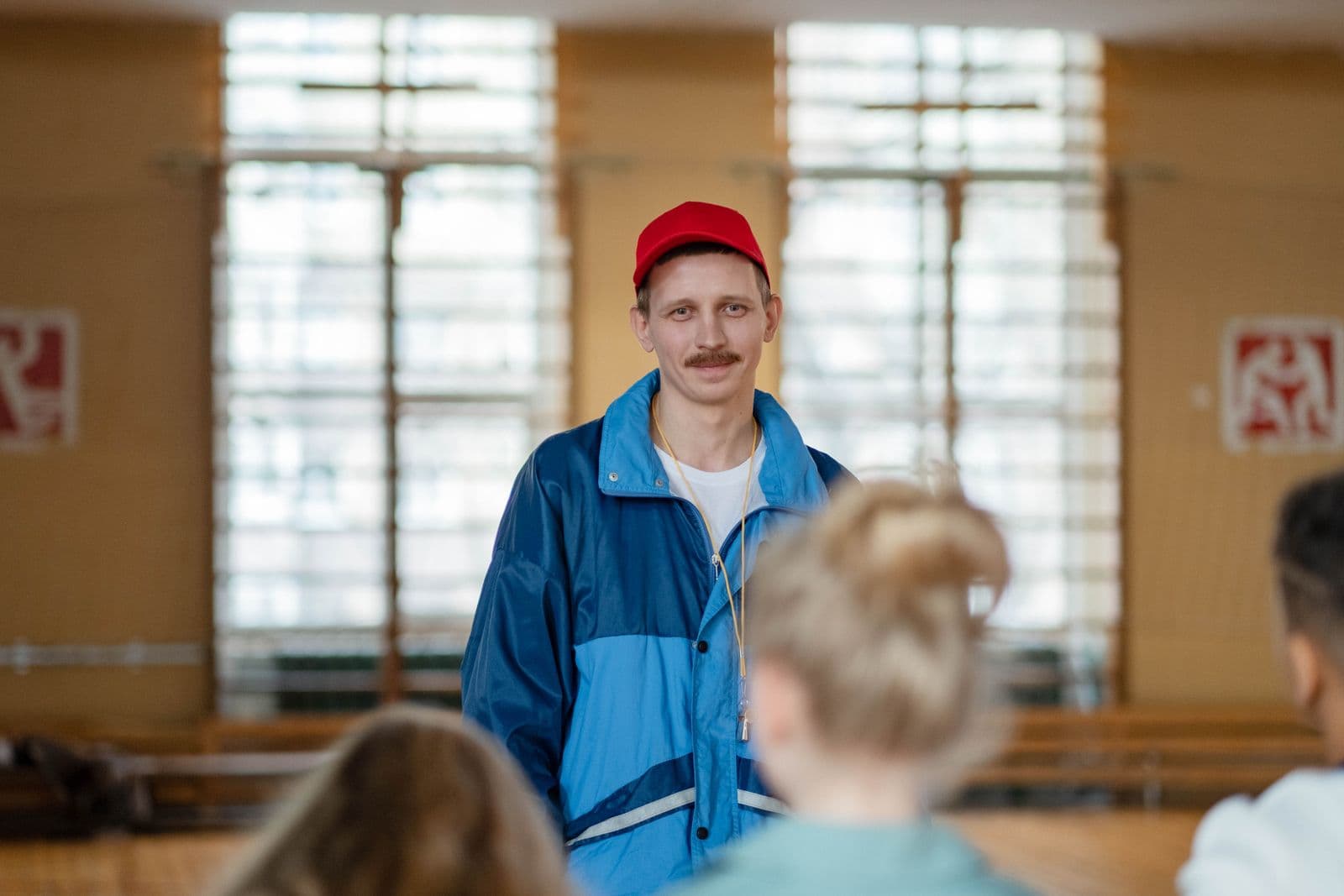
Look at the last ten posts your facility published. You will almost certainly find photos of your courts, your equipment, your events, and maybe some happy customers. What you probably will not find is the coach who has worked there for three years and knows every regular by name. Or the front-desk person who remembers which families have a peanut allergy. Or the party host who stayed late to make sure a seven-year-old's birthday was actually special.
Those people are the reason customers come back. Not the building. Not the equipment. The people. And yet most facilities never post about their staff at all, treating them as invisible operational detail rather than the human face of what makes the place worth returning to.
Showing your staff online is one of the lowest-effort, highest-trust moves in sports facility social media content ideas. It does not require a production budget or a content agency. It requires a phone, a few minutes, and the decision to start. Here are six practical ways to do it.
1. The Simple Staff Introduction Post
The easiest version of this is a photo of a staff member, face visible and smiling, paired with three to five sentences: their name, their role, how long they have worked there, and one thing that is genuinely interesting about them. Not corporate. Not scripted. Just human.
This works because humanizing your brand on social media starts with exactly this: giving the people behind the facility a name and a face before the customer ever walks in. When a parent drops their child off for the first time and recognises the coach from Instagram, the anxiety of a new place drops immediately. That recognition is worth more than any promotional post you could run that week.
How to execute it with minimal effort:
- Take a natural photo of the staff member during or just after a session. Phone camera is fine. Staged corporate headshots are not what this is.
- Ask them two questions: what they love most about working there, and one thing customers might not know about them. Use their actual words, not a polished version.
- Post once a week or once a fortnight. Consistency matters more than production value here.
- Caption formula: Name. Role. Time with the team. One genuine thing about them. That is the whole post.
2. Behind-the-Scenes: Staff Setting Up Before the Day Starts
One of the most underused content angles in sports facility marketing tips is showing the effort that happens before anyone arrives. The coach setting up equipment at 7am. The team rolling out mats or marking pitch lines. The party host decorating a room before a group of eight-year-olds tear through it. None of this looks glamorous in person. On social media, it looks like a facility that gives a genuine effort.
Behind-the-scenes content builds trust in a specific way: it makes visible the invisible work that customers benefit from but never see. When people understand the effort that goes into making their experience good, they value it differently. They also feel a connection to the people who put that effort in, because effort is a human quality, not a facility feature.
How to execute it:
- Film a thirty-second setup clip on the phone, no narration needed. Time-lapse works well here if your phone supports it.
- Caption it plainly: "[Name] has been setting this up since 6:45. Doors open at 8. Every session starts here." Plain is more effective than polished.
- This content works particularly well on Instagram Stories, where the raw, off-the-cuff format fits the context. Save the good ones to Highlights.
- No editing required. The unpolished quality is part of what makes it feel real rather than promotional.
3. Coach-Led Tip or Mini-Lesson Videos
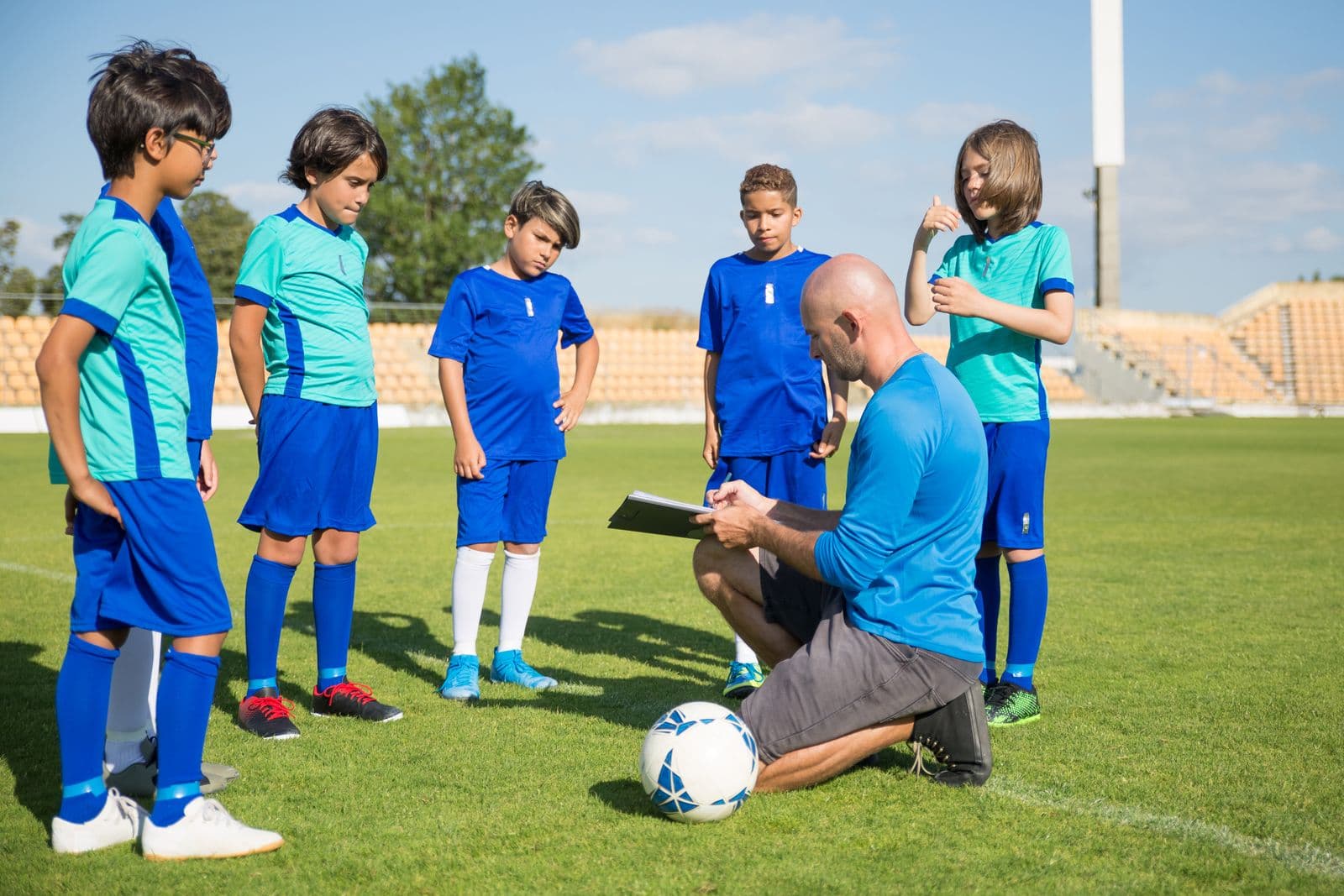
A thirty-to-sixty-second video of a coach demonstrating one technique, sharing one drill, or explaining one common mistake is one of the highest-performing content types a sports facility can produce. It positions staff as knowledgeable and approachable at the same time, and it gives prospective customers a reason to follow the page beyond event announcements.
This kind of content also does something subtler and more valuable: it attaches expertise to a specific person. When a parent sees a coach explain something clearly and helpfully in a video, they are not just learning a tip. They are forming a first impression of that coach before they have ever met them. If that impression is good, the booking conversation is already half done.
How to execute it:
- Pick one thing per video: one drill, one correction, one piece of advice. Trying to pack in too much loses the viewer in the first fifteen seconds.
- Let the coach speak naturally, not from a script. One take, or close to it. The informal delivery makes it more watchable, not less.
- Film vertically for Reels and TikTok. Landscape for YouTube Shorts or Facebook. The platform matters more than the production quality.
- Name the coach and their role in the caption. "[Name], our lead padel coach, on the most common serve mistake he sees" does more than "Tips from our coaching team."

4. Celebrating Staff Milestones
Work anniversaries, promotions, certifications, and personal wins are all content. Not because they are particularly exciting, but because they signal something customers care about: that good people work at this facility, and that the facility values them enough to say so publicly.
Customers are loyal to people, not buildings. A parent who watches a coach reach their fifth year at a facility has a data point that no facility photo can provide: this person is settled, committed, and cared about here. That is a trust signal. And it costs nothing to post.
How to execute it:
- Keep a simple note of staff start dates, certifications, and any personal milestones they are comfortable sharing. A quick calendar reminder is enough to never miss one.
- Let them choose what to share. A staff member who just ran a half-marathon or qualified at a national level in their own sport is proud of it. Ask first, then post it if they say yes.
- Photo plus three to four sentences. No need to write an essay. "[Name] has been coaching here for five years. In that time they have coached over [X] sessions. We are glad they are part of what makes this place run."
- Tag them if they are comfortable with it. The post will reach their own network, and that network becomes aware of your facility without any paid reach.
5. Letting Customers Shout Out a Favourite Coach or Staff Member
Appreciation from customers is more persuasive than anything a facility can say about its own staff. A parent who writes "Coach [Name] is the reason my kid actually loves coming here" in a comment or review is doing something no facility-written post can replicate: providing independent evidence that the people behind the experience are genuinely good.
The easiest way to generate this content is to invite it directly. A post asking "Who is the staff member or coach who made your experience here great? Tell us in the comments" almost always produces responses. Those responses, with permission, become content in their own right, and they shift the narrative from the facility promoting itself to customers vouching for the people who run it.
How to execute it:
- Post the prompt once a month or once a quarter. Overusing it makes it feel like a performance review, not a genuine invite for appreciation.
- When you get a response worth sharing, ask the commenter if they are happy for you to repost it. Most are. Screenshot it, put it in a simple graphic with the staff member's photo, and post it as a follow-up.
- Tell the staff member. Public recognition shared with the team is motivating in a way that internal thank-yous often are not.
- This also works as a Google review prompt. "If a coach or team member made your visit great, mentioning them by name in a review means everything to them." Specific, personal reviews convert more new customers than generic ones.
6. A Recurring Staff Spotlight Series
One-off staff posts are good. A consistent, recurring format is better. A staff spotlight content series, posted on a predictable schedule, gives the content a structure that makes it easy to produce and easy for your audience to expect. Instead of deciding each week what to post about the team, you have a format. You fill in the template and publish.
The format also builds cumulative value. After four or five spotlights, new customers browsing your page can scroll through and get a sense of the team as a whole: who works there, what they are good at, how long they have been there. That depth of familiarity before a first visit is something no single post can create but a consistent series can.
How to build the series:
- Fix the format once and repeat it. Four questions work well: name and role, how long with the team, favourite part of the job, one thing customers probably don't know. Same questions every time, different answers.
- Pick a consistent posting day: every second Tuesday, the last Friday of the month, whatever fits your posting rhythm. Predictability is the point.
- Create a simple branded graphic template so the visual format is consistent without requiring design effort each time. Any basic template in Canva works.
- Use a consistent hashtag so customers can find the full series. Something like #TeamAt[FacilityName] keeps it searchable and gives the series a home.
- Run it through the whole team before cycling back. If you have eight staff, that is eight weeks of ready-made content before you have to think about it again.

Show the People Behind the Place, and Watch What Happens
Your staff and coaches are already your best marketing asset. They are the reason customers rebook, recommend your facility to friends, and leave reviews that mention a specific person by name. Putting them online costs nothing except a few minutes and the decision to start doing it consistently.
A facility whose social media shows real people, real coaching moments, and real effort earns a level of trust that no amount of polished promotional content can buy. Prospective customers stop scrolling because they see something that feels human. Existing customers feel seen because the people they like show up online. New staff feel valued because the facility bothers to introduce them publicly. All of that from a phone, a few questions, and a regular posting habit.
If figuring out what to post consistently, including this kind of people-first content, feels like one more thing on a long list, there are two low-commitment ways we can help. We offer a free social media audit that looks at what your facility is currently posting, what is working, and where the gaps are, including whether your people are showing up in your content at all. Or, if you would rather hand the whole thing off, we build and run consistent content strategies for indoor sports and recreation facilities every week, content that includes exactly this kind of team-focused, trust-building material as a core part of what goes out.
DM @axxention_ for a free audit or to learn more about working with us.
Want us to look at your facility's social media?
Get a free, honest review of what's working and what's not, no call required.
Get Your Free Audit