
Padel Is Just Landing in Ireland, Here's How Early Clubs Can Own the Market Before It Gets Crowded
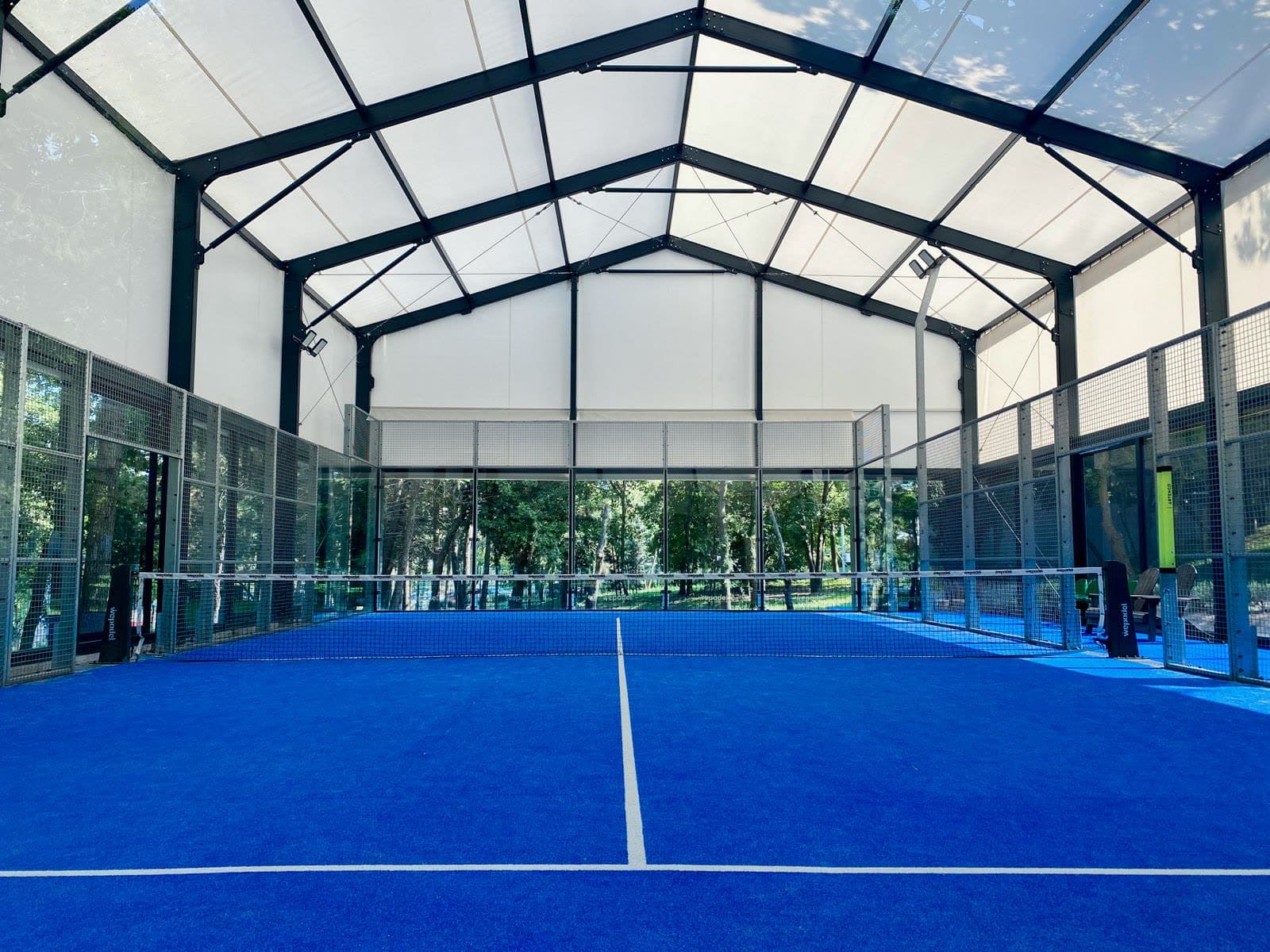
Padel exploded in Spain, then the UK, then Australia, and the pattern was the same everywhere: a handful of early clubs, then a rush of new courts once everyone realised what was happening. Ireland is still in that first phase. There are only a handful of clubs right now, and that's exactly the window that closes fast once the market catches up.
Whoever builds real local brand recognition now will be far harder to unseat later, the way it played out in every market ahead of Ireland. Whoever waits will be fighting for attention in a crowded space with none of the advantage the early clubs had. Here's how to actually use the window while it's still open.
None of this requires new courts or a bigger budget. It requires acting like an early mover instead of waiting to see if the sport catches on first.
1. Teach People What Padel Actually Is First
Most of your potential audience doesn't know what padel is, how scoring works, or how it differs from tennis or pickleball. Skipping straight to booking prompts assumes awareness that simply doesn't exist yet in most of Ireland.
Why it works: Awareness itself is still the barrier this early in the padel Ireland market. Content that answers "what actually is this" converts curiosity into a first visit, while content that assumes prior knowledge just gets scrolled past by people who were never given a reason to care. This is the single most fixable gap in the market right now, and it costs nothing more than a few minutes of filming per week to close.
How to execute it:
- Post simple explainer content: what padel is, how it differs from tennis, why the court has walls.
- Film a beginner's first session start to finish, this does more to demystify the sport than any written explanation.
- Keep the tone welcoming to complete beginners specifically, not just people who already know racquet sports.
2. Claim "The Original" Before Anyone Else Can
Being first in a city or region is a genuine, defensible brand story, but only if you actually say it. Most early clubs never claim the position outright, leaving it available for whoever arrives next and decides to say it first.
Why it works: Once a market gets crowded, "the original padel club in this city" is a claim nobody else can ever make, no matter how much a competitor spends. This is one of the strongest and cheapest positions available in any padel club marketing Ireland strategy right now, and it disappears the moment a second club opens nearby and gets there first. It also compounds: press mentions, word of mouth and search results all tend to favour whoever claimed the position loudest and earliest, not necessarily whoever is actually first by a technicality.
How to execute it:
- State it directly and often: "the first padel club in [city]" belongs in the bio, not buried in a caption once.
- Document the opening story now, the build, the first booking, the first member, while it's still recent and provable.
- Keep reinforcing it even after competitors arrive, being first doesn't stop being true just because the market grows.
3. Go After Tennis and Squash Players First
Tennis, squash and other racquet-sport players are the easiest early adopters padel has. They already understand racquet sports, already have the instinct for it, and usually just need a nudge to try something adjacent to what they already play.
Why it works: Converting an existing racquet-sport player is far faster than building interest from zero. This is exactly how to actually promote a padel club efficiently in a market where general awareness is still low: find the audience that's already three-quarters of the way there. Those players also tend to be well connected within their own clubs, which means one convert often brings a doubles partner along without any extra effort from you.
How to execute it:
- Create content specifically comparing padel to tennis and squash, speaking directly to what those players already know.
- Reach out to local tennis and squash clubs directly with a simple trial offer for their members.
- Target ads at people who follow tennis and squash accounts locally, this audience is easier to reach than it looks.
4. Build a Founding Member Story, Not Just a Membership
The people who join now, before the market is crowded, are genuinely early adopters. Treating them that way, publicly, turns membership into belonging and gives people a reason to join now instead of waiting to see how it goes.
Why it works: A founding member narrative rewards the exact behaviour you need right now, joining early, and it creates social proof that pulls in the next wave of members who don't want to feel late. This is a core part of any real padel social media strategy built for a market this early. It also gives founding members a reason to stay and keep referring people, since leaving would mean giving up a status newer members can no longer earn.
How to execute it:
- Name it directly: a "founding member" tier or title that gets referenced publicly, not just a discount code.
- Feature founding members individually, who they are, why they joined this early, on a recurring basis.
- Give founding members visible recognition long after the initial sign-up, not just during launch week.

5. Document the Growth Story in Public
First booking. First tournament. First fully booked night. These milestones happen once, and most clubs let them pass without capturing them, missing genuinely authentic content that can never be recreated later.
Why it works: Momentum is content in its own right. A visible growth story, documented honestly as it happens, builds more trust than any polished campaign, because it's real and it's happening in front of the audience, not staged for them. It also gives future members a story to join partway through, watching a club grow is its own kind of appeal that a fully established facility can never offer again.
How to execute it:
- Film and post every genuine first: first booking, first tournament, first sold-out night, as they happen.
- Share real numbers when they're genuinely worth sharing, courts booked, members joined, without inflating anything.
- Look back periodically: a "three months ago versus now" post turns quiet progress into visible momentum.
The Window Is Open Now, Not Later
None of these five strategies require a bigger court or a bigger budget. They require acting while being early is still true, because it stops being an advantage the moment it stops being rare. Every market that padel has already boomed in went through this exact same narrow window, and the clubs that used it are the ones still leading those markets today.
This is exactly the gap Axxention fills. We help early Irish padel clubs build real brand recognition now, while the market is still open, instead of leaving that first-mover advantage on the table until competitors arrive and take it. Our founder has hands-on experience managing social media for an indoor sports facility in the Toronto market, building an audience from scratch in a sport still finding its footing locally, the same challenge applies directly here.
We're currently offering a founding client rate, a discounted price in exchange for a case study and testimonial once we've driven real results for your club. It's a low-risk way to start building the advantage now, while there are still only a handful of clubs to compete with.
DM @axxention_ or send your details through our contact page and we'll walk you through the plan.
Want us to look at your facility's social media?
Get a free, honest review of what's working and what's not, no call required.
Get Your Free Audit