
Corporate Team Nights: The Easiest Untapped Booking Category for Indoor Soccer Domes
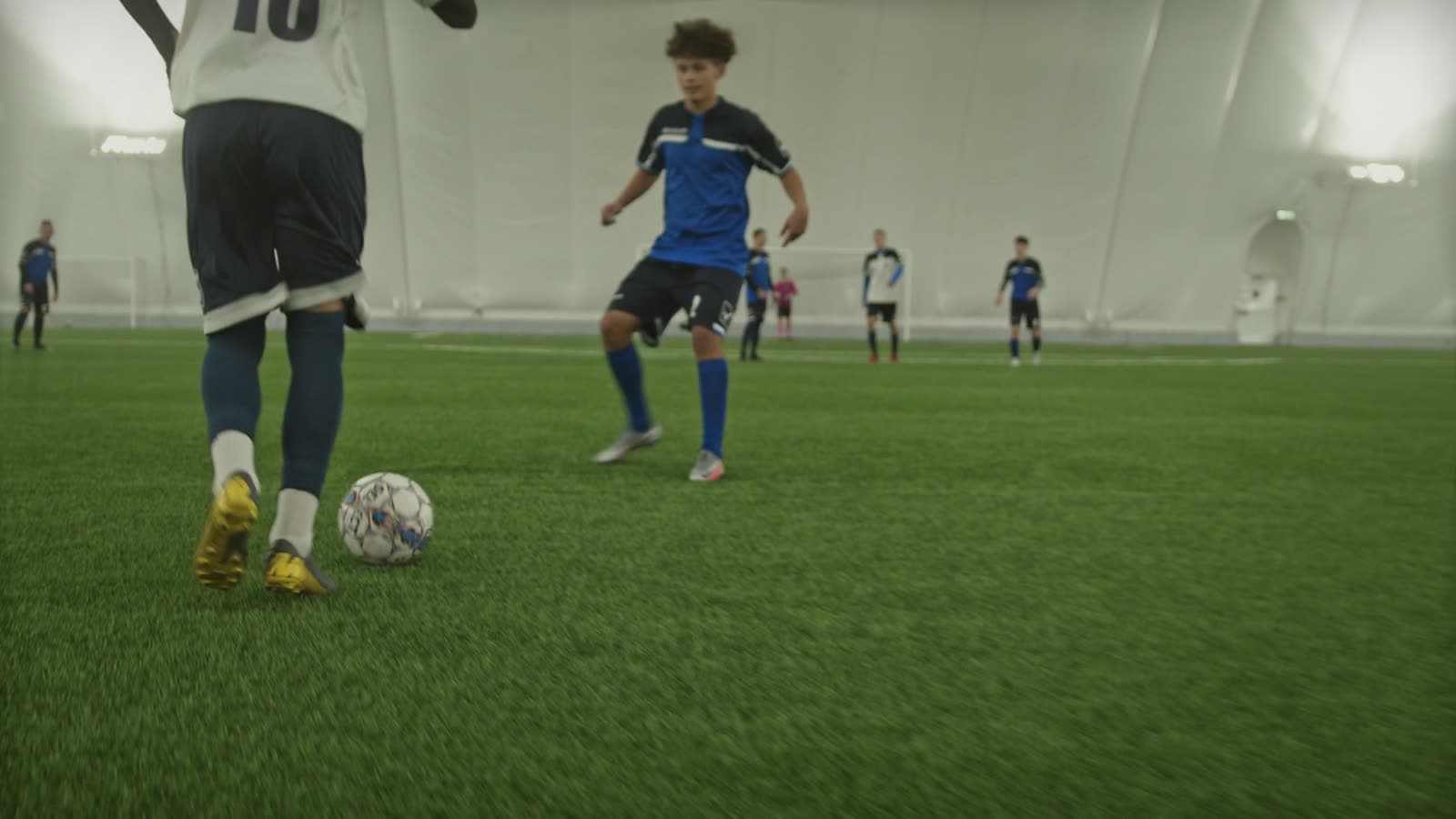
Most indoor soccer domes run on the same two revenue sources: league teams and kids' birthday parties. Both are fine. Neither one fills a pitch on a Thursday afternoon, and neither one walks in ready to spend a flat per-head fee on a two-hour exclusive booking with no haggling required.
Corporate team nights do. Companies spend real money on team building, and indoor soccer is genuinely one of the best formats for it: weather-proof, fast to set up, low barrier to join, and memorable in a way that a dinner reservation or a bowling alley never quite manages. Yet most domes either have no corporate offering at all, or they have a pricing page nobody at a company ever sees.
Here is how to actually capture this category, without building a dedicated sales team or changing how the dome runs on any other night.
1. Understand Why Companies Pay for This (So You Know What to Sell)
Corporate team building is not a discretionary luxury most companies are trying to cut. HR departments have a budget line for it, team leads spend it before the end of the financial year or lose it, and the brief almost always comes down to the same two things: get people off screens and talking to each other, and make it something they will actually want to show up for.
Indoor soccer clears both hurdles easily. It requires no experience to participate in, it's competitive enough to generate genuine moments, and it ends with tired, sweaty, laughing people who have genuinely interacted in a way that a conference room exercise never produces. The dome format specifically matters because it removes every external variable: no weather, no travel complications, no outdoor field that floods when it rains, no noise from passing traffic. A company books the pitch, everyone shows up at the same time, and two hours later the whole group has a shared story.
What this means for your marketing: You are not selling sport. You are selling a clean, reliable experience that a team lead can confidently book, expense, and recommend to the next person who asks. Every piece of corporate team building content you produce should speak to that brief, not to the football fan who loves five-a-side on Saturday mornings.
2. Build One Simple Corporate Package (And Name It Something Specific)
The number one reason corporate bookings do not happen at most domes is not price. It is friction. A team lead at a software company looking for something to do with twelve colleagues does not want to call and ask if you "do corporate stuff." They want to see a clear package, know what it costs, and forward it to their manager for approval in two minutes.
A good corporate package does not need to be complicated. It needs to answer four questions before anyone picks up the phone:
- How many people does it work for, and what is the per-head or flat fee?
- What is included: pitch hire, kit, referee, post-game drinks or snacks?
- How long does it run, and can they arrive and have it set up for them?
- How do they book and pay: can they invoice the company rather than pay out of pocket?
Name it something concrete rather than "corporate hire." Something like "Team Night" or "Company Five-a-Side" signals instantly what it is. A specific name also makes it easier for the person booking it to describe to their team without having to explain what they booked.
On social: Post the package once a month as a direct call to action. Use a simple graphic or a clean text-heavy post that lists the key details. You are not trying to generate viral content here, you are trying to be easy to find and easy to forward. That is a different goal, and it requires a different kind of post.
3. Use LinkedIn and Local Business Communities, Not Just Instagram
Every dome posts on Instagram. Almost none of them post on LinkedIn. That is a gap worth closing, because the people who actually book corporate team nights, HR managers, team leads, office managers, are on LinkedIn during their work day, not scrolling Instagram at 7pm.
A simple LinkedIn presence does not need to be polished or frequent. One post a week, or even one a fortnight, targeted at local businesses and phrased in the language of team building rather than sport, puts the dome in front of an audience it is otherwise completely invisible to.
Three types of LinkedIn content that work for domes:
- A post-event recap after a corporate night: "Twelve people from [Company] came in last Thursday and here is what their night looked like." Tag the company if they are happy to be tagged. Most are.
- A direct package post with the key details and a booking link, written plainly without sports jargon.
- A short piece about what makes indoor soccer work as a team building format, written from the perspective of what the company gets out of it rather than what the dome offers.
Beyond LinkedIn, local Facebook groups for businesses, chamber of commerce pages, and coworking space community boards are all worth a monthly post. The companies using those spaces are exactly the companies with twelve people who need something to do this quarter.
4. Create Content That Speaks to the Person Doing the Booking, Not the People Playing
The classic mistake domes make when they try to attract corporate bookings is posting the same content they post for league players: match highlights, goal clips, five-a-side results. None of that speaks to an office manager deciding how to spend a team building budget.
The person doing the booking has a completely different set of questions. They want to know: will people enjoy this even if they have not played before? Is it easy to organise? What does the night actually look like from start to finish? Will it be talked about back at work on Monday?
Four content types that answer these questions:
- A short walkthrough of what a corporate night looks like: arrival, warm-up, matches, optional penalty shootout, post-game wind-down. This removes the uncertainty for a first-time booker.
- A quote or short testimonial from a previous company booking: not a formal review, just a line from the person who organised it about how the team responded. These circulate because the person who booked it wants credit for the good idea.
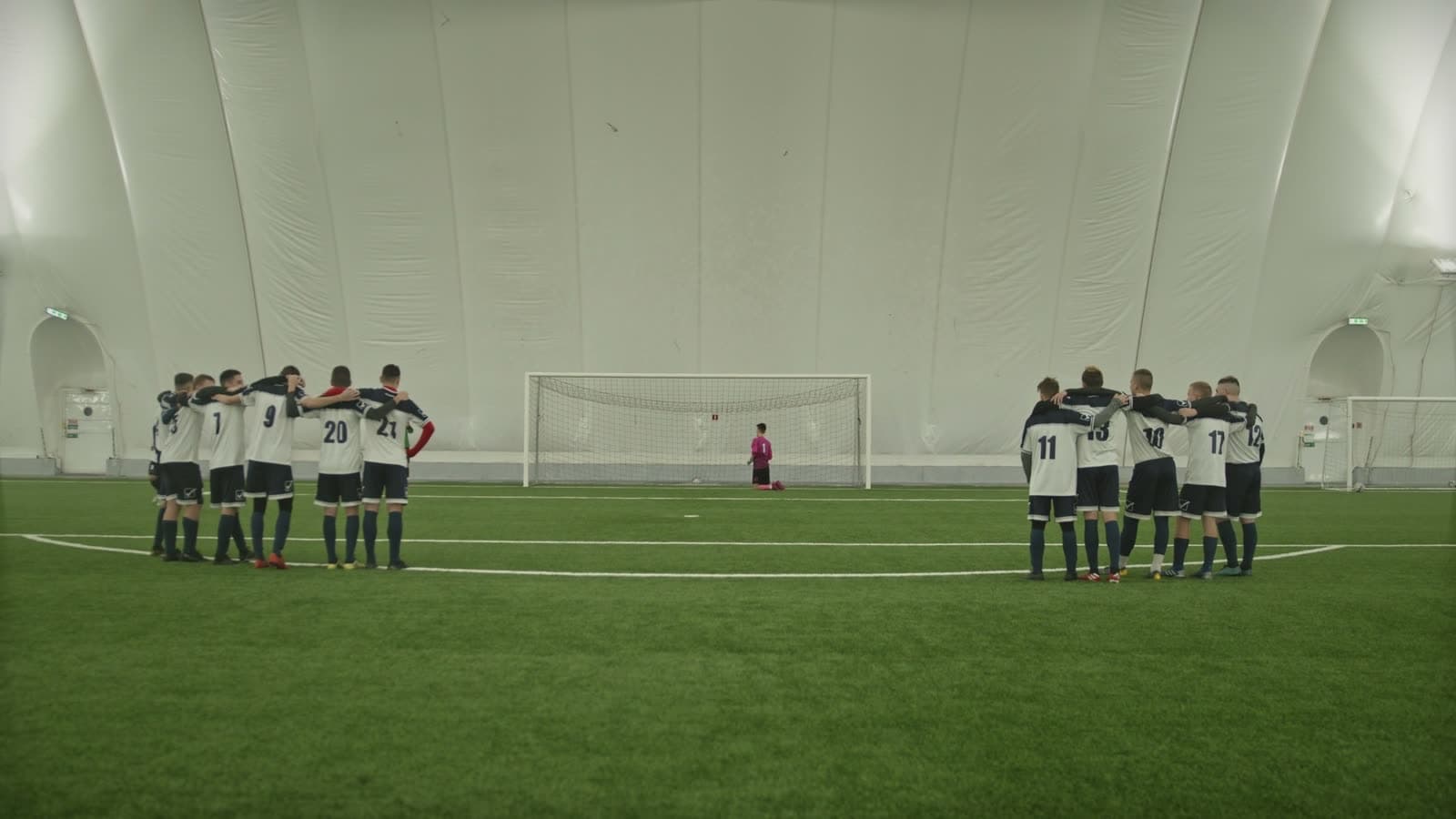
- A photo of the post-game moment: two groups of colleagues standing with arms around each other looking tired and happy is more persuasive to a booker than any action shot from the match itself.
- A clear, plainly written FAQ post: do people need to bring their own kit? Can complete beginners join in? What happens if the headcount changes? Answering these before they are asked reduces the friction between interest and booking.
5. Partner With Coworking Spaces and Local Business Networks
Coworking spaces have exactly the problem indoor soccer domes solve for corporate bookings. Their members are small teams and freelancers who work alongside each other every day but rarely do anything social together. A coworking space that can recommend a vetted local venue for team nights is doing something genuinely useful for its members. Most of them are actively looking for local partners to recommend.
A simple arrangement works well: the dome offers a small discount for coworking members, the coworking space mentions the dome in their monthly newsletter or on their community board, and both sides get something without spending anything. No formal commission structure required.
The same logic applies to chambers of commerce, local business improvement districts, and industry associations. These organisations regularly look for local activity recommendations to send to their members. A venue with a clear package and a contact name is far easier to recommend than one that requires members to call and ask what options exist.
How to actually do this:
- Email two or three local coworking spaces directly, introduce the dome and the corporate package, and ask whether they would be open to mentioning it to members. Keep it short: one paragraph, one link.
- Offer to host a free taster session for coworking members once, so the staff there can actually recommend it from experience.
- Follow up with a recap post or photo after any partner-referred booking, so the coworking space sees the result of the referral and has a reason to mention it again.
6. Turn One Good Corporate Night Into Repeatable Bookings and Referrals
The highest-value outcome from a corporate team night is not the fee from that single booking. It is the next booking, from a different company, booked because someone who attended the first one mentioned it to a colleague at another firm.
That referral chain happens naturally when the experience is good and the dome makes it easy for the organiser to share what they did. Three specific things make this more likely:
- Send a follow-up message the next day with a couple of photos from the night. Thank the organiser by name. This takes five minutes and puts content in their inbox that they can forward to their team or share on their own LinkedIn.
- Ask directly whether they would like to book again before the follow-up ends. Most corporate teams run these events twice a year. Being the first to ask is almost always enough to secure the return booking.
- Post the night on the dome's social accounts with permission, and tag the company if they are happy to be tagged. A well-captioned group photo from a corporate night, posted on LinkedIn, consistently generates more inbound enquiries than any paid advertising a dome can run at the same cost.
The referral dynamic is real: companies talk to each other. A team lead who says "we did this indoor soccer thing and it was actually brilliant" at a networking event or industry dinner is worth more than three months of social posts targeted at the same audience. Make the experience worth mentioning, make the follow-up easy to share, and the referral marketing does most of the work for you.
Corporate Bookings Are Not Hard to Get, Just Hard to See
The companies that would book a corporate team night at your dome are already spending money on team building somewhere else, or they are sitting on a budget they have not spent because nobody has put something in front of them that was easy enough to say yes to. They are not hard to reach. They are just in a different place than your usual audience, looking for a different message.
One clear package, a presence on LinkedIn, one partnership with a local coworking space, and the habit of following up after every corporate booking is enough to build this from nothing into a reliable second revenue stream. None of it requires changing how the dome runs. It requires treating corporate bookings as a separate audience with a separate brief, and putting a small amount of consistent effort into reaching them where they actually are.
If figuring out where to start, or putting the content together consistently, feels like one more thing on a long list, there are two low-commitment ways we can help. We offer a free social media audit of your current page, no pitch attached, just a clear look at what your facility is missing and what it could be doing to reach audiences like this one. Or, if you would rather hand the whole thing off, we build and run this kind of content for indoor sports facilities every week.
DM @axxention_ for a free audit or to learn more about working with us.
Want us to look at your facility's social media?
Get a free, honest review of what's working and what's not, no call required.
Get Your Free Audit